How Much Does IVF Cost in South Korea? A Complete Guide to the Process and Expenses
South Korea is known for having one of the highest IVF (In Vitro Fertilization) success rates in the world. Thanks to its national health insurance system and government fertility support programs, IVF treatment is significantly more affordable than in many other countries.
One of the most common questions people ask is, “How much does IVF cost in Korea?” The answer depends on several factors, including government subsidies, the fertility clinic, and the medications required during treatment.
IVF vs. IUI: What’s the Difference?
Intrauterine Insemination (IUI) is a relatively simple fertility treatment in which specially prepared sperm are placed directly into the uterus during ovulation. Fertilization still occurs naturally inside the woman’s body, making IUI less invasive and generally less expensive.
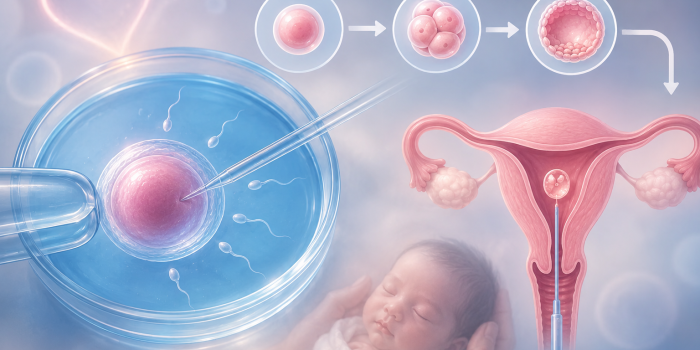
In Vitro Fertilization (IVF) is a more advanced procedure. Eggs are retrieved from the ovaries, fertilized with sperm in a laboratory, and the resulting embryos are cultured before being transferred back into the uterus. IVF is commonly recommended for couples with blocked fallopian tubes, severe infertility, or repeated unsuccessful fertility treatments.
The IVF Process Step by Step
1. Ovarian Stimulation
The process begins with ovarian stimulation, which typically lasts 8 to 12 days. During this period, fertility medications are used to stimulate multiple eggs, while ultrasound scans and blood tests monitor follicle growth.
2. Egg Retrieval
Once the follicles have matured, eggs are collected under light sedation.
For example, if 10 eggs are retrieved, not all of them will develop into embryos.
3. Fertilization and Embryo Culture
The retrieved eggs are fertilized with sperm in the laboratory.
A typical example might look like this:
- 10 eggs retrieved
- Mature eggs selected
- 7–8 eggs successfully fertilized
- 5–6 embryos continue normal development
Actual results vary significantly depending on age, egg quality, sperm quality, and individual health.
4. Embryo Grading
Embryos are evaluated every day during culture.
Embryologists assess cell division, symmetry, and overall appearance to identify the highest-quality embryos for transfer.
5. Day-3 or Day-5 Embryo Transfer
Embryos are usually transferred either on Day 3 (cleavage-stage embryo) or Day 5 (blastocyst).
Day-5 blastocysts generally have higher implantation potential. However, not every embryo develops to Day 5, so some patients receive a Day-3 embryo transfer instead.
Any remaining high-quality embryos may be frozen for future treatment cycles.
How Many Embryos Can Be Transferred?
To reduce the risk of multiple pregnancies, South Korea follows national medical guidelines regarding the maximum number of embryos transferred.
The number of embryos transferred depends on factors such as the patient’s age, embryo quality, embryo development stage (Day 3 or Day 5), and previous IVF history.
Younger patients often receive one or two embryos, while older patients or those with repeated implantation failures may be eligible for additional embryos based on their physician’s medical judgment and current clinical guidelines.
How Much Does IVF Cost in South Korea?
South Korea offers one of the most affordable IVF systems due to government assistance and national health insurance.
Many patients are eligible for approximately US$1,070 in government financial support for IVF treatment, depending on eligibility requirements.
Even after receiving government assistance, patients usually pay part of the treatment cost themselves.
For a typical IVF cycle involving one egg retrieval and one embryo transfer, the average out-of-pocket cost is approximately US$570–710.
This generally includes:
- Ovarian stimulation medications
- Ultrasound examinations
- Blood tests
- Egg retrieval procedure
- Laboratory fertilization and embryo culture
- Embryo transfer
- Progesterone vaginal suppositories
- Progesterone injections
- Additional medications to support implantation and early pregnancy
After embryo transfer, many patients continue progesterone support for several weeks through vaginal suppositories and injections, which account for a significant portion of the medication expenses.
IVF Often Requires More Than One Transfer
Many IVF patients retrieve eggs only once, create multiple embryos, and freeze the remaining healthy embryos for future frozen embryo transfers.
As a result, one egg retrieval procedure may be followed by multiple embryo transfer cycles.
Some couples achieve pregnancy after the first transfer, while others require several attempts. Therefore, the total treatment cost and duration vary greatly from person to person.
With advanced reproductive technology, experienced fertility specialists, and generous government support, South Korea has become one of the world’s leading destinations for affordable and high-quality IVF treatment.

